
Common Sources of Water Damage in Florida Homes
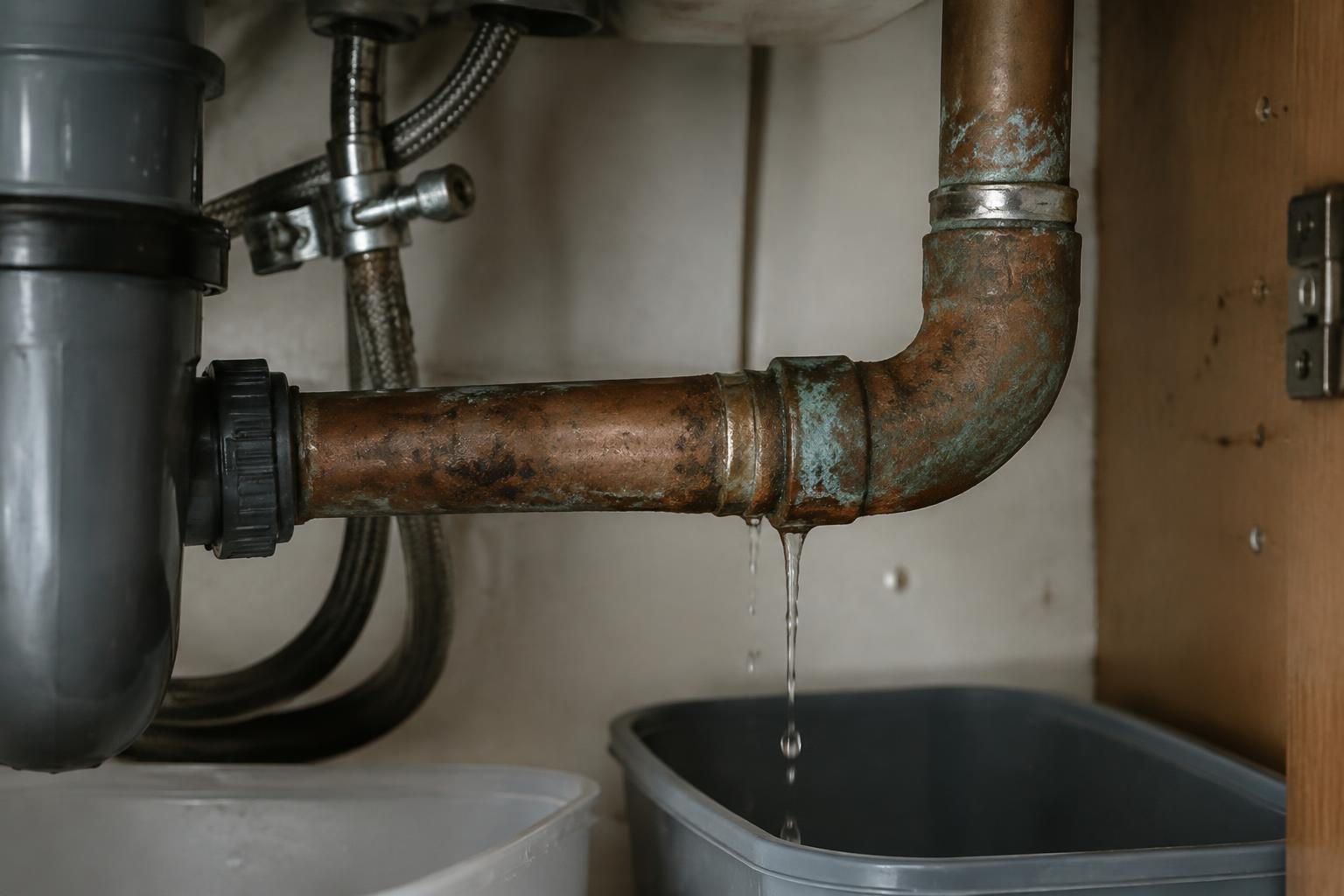
Water damage claims arise from a wide range of causes, including burst or corroded pipes, failed water heaters, washing machine hose leaks, roof leaks that allow water into ceilings and walls, and storm-driven rain. Leaks from the plumbing system have their own rules, explained on our plumbing leak claims page. Each of these sources can trigger different coverage outcomes depending on your policy's language and whether the event was sudden or gradual.
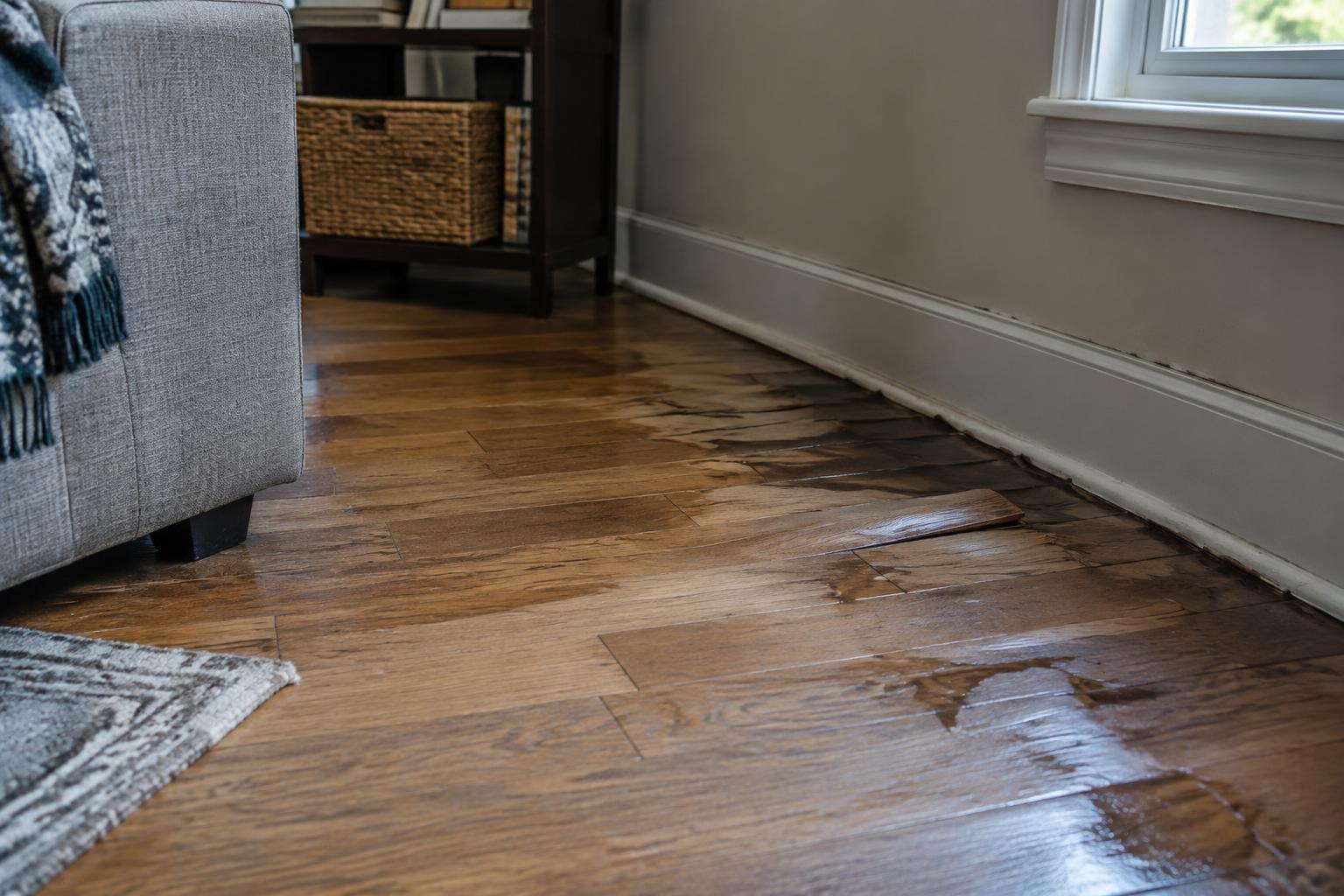
Florida's humidity and frequent heavy rainfall make water intrusion a persistent risk, and even minor leaks can lead to significant secondary damage like warped flooring, buckled drywall, and mold growth if not addressed quickly. Understanding the source of the water is often the first question an adjuster will investigate.
Sudden vs. Gradual Water Damage: Why the Distinction Matters
Most homeowners policies distinguish between sudden and accidental water discharge, which is typically covered, and long-term seepage or gradual leaks, which are often excluded. A pipe that bursts suddenly is generally treated differently than a slow drip that went unnoticed for months.
How Insurers Investigate the Timeline
Adjusters frequently examine the condition of affected materials to determine how long water exposure occurred. Signs like extensive staining, warped surfaces, or visible mold growth may be used to argue the damage developed gradually rather than suddenly, which can lead to a denial or reduced payout even when the underlying cause was a legitimate plumbing failure.
What to Do Immediately After Water Damage Occurs
Fast, documented action after discovering water damage can strengthen your claim and limit further loss to your property.
- Shut off the water source if possible and safe to do so.
- Photograph and video all affected areas before any cleanup begins.
- Contact your insurer promptly to report the loss and start the claims process.
- Use reasonable measures to prevent further damage, such as removing standing water, and keep receipts for any expenses.
- Avoid discarding damaged items until the adjuster has had a chance to inspect them, unless they pose a health hazard.
How Adjusters Evaluate Water Damage Claims
An adjuster typically inspects the source of the water, the extent of the damage, and whether mitigation steps were taken promptly. They may request moisture readings, photos, and repair estimates. The insurer will also review your policy to determine what type of water event is covered and whether any exclusions, like flood damage from rising water, apply.
It's worth noting that flood damage from external rising water is typically not covered under a standard homeowners policy and instead requires separate flood insurance, covered on our flood damage claims page. This distinction between water damage and flood damage often becomes a point of dispute, particularly after major storms when both types of loss can occur together.
Water Damage, Mold, and Secondary Loss
Untreated water damage frequently leads to mold growth within 24 to 48 hours in Florida's warm, humid climate. Insurers sometimes attempt to shift blame for the water intrusion onto the resulting mold, arguing the homeowner failed to mitigate the damage in time. If mold has developed as a result of a covered water event, it may still be part of a valid claim, though the analysis can get more complicated. Our page on mold damage claims covers this overlap in more detail.
Documenting your prompt response to the original water event can help counter arguments that mold resulted from neglect rather than the covered peril itself.
Why Water Damage Claims Get Denied or Underpaid
Common reasons for denial include claims of gradual leakage, lack of maintenance, missed reporting deadlines, or disputes over whether the loss falls under a water damage or flood exclusion. Underpayment often occurs when an insurer's estimate omits necessary repairs, such as replacing subflooring or addressing hidden moisture behind walls.
If you believe your insurer significantly undervalued your water damage repairs, reviewing why insurance claims get delayed or undervalued can offer useful context before you respond to a settlement offer.
Working With Contractors and Restoration Companies
After significant water damage, many homeowners bring in a restoration company to begin drying and repair work quickly, which is often necessary to prevent secondary issues like mold. It's important to understand that the restoration company works for you, not the insurance company, even though the insurer may recommend preferred vendors.
Before signing any contract, review whether it includes an assignment of benefits clause, which can transfer certain rights under your policy to the contractor. Understanding these provisions, and keeping copies of all invoices and scope-of-work documents, can help you stay in control of your claim as repairs move forward.
Water Damage After a Storm or Hurricane
Storms can cause water damage through roof leaks, wind-driven rain, or a combination of wind and water that makes the cause of loss harder to pin down. When wind damage to a roof or window allows rain to enter, that water damage may be covered even though flood damage from surface water would not be. For storm-specific claims, see our hurricane damage claims page for related guidance.
Because policies often separate wind, water, and flood coverage into distinct categories, storm-related water damage claims can involve overlapping disputes about which peril actually caused the loss.
Getting Help With a Water Damage Claim Dispute
Our property insurance team reviews adjuster findings, policy exclusions, and repair estimates to help homeowners understand whether a water damage decision is fair. We evaluate disputes over sudden versus gradual damage, coverage exclusions, and underpaid repair costs, and we discuss the fee arrangement for your matter during your free consultation.
If your water damage claim was denied or the payout fell short of your actual repair costs, contact our office for a free consultation to go over the details. This overview is general information and not legal advice for your specific claim.
How Long Does a Water Damage Claim Take in Florida?
Water damage claim timelines depend on the extent of the loss, how quickly mitigation begins, and whether the insurer disputes the sudden-versus-gradual distinction. Straightforward claims involving a clear, recent pipe burst with prompt reporting often move faster than claims where the timeline of the leak is unclear, and disputes resembling those seen in underpaid property insurance claims can add further delay.
Florida law sets time limits that can affect your claim, and delays in scheduling an inspection or providing requested documentation can slow the process further. Keeping mitigation records and a clear timeline from the moment the leak was discovered can help support a more efficient resolution.
Mistakes to Avoid After Water Damage
A frequent mistake is delaying repairs or mitigation while waiting for the adjuster, which can allow an insurer to argue that a homeowner failed to prevent further damage. Another is discarding wet materials, like carpet or drywall, before they have been photographed or inspected.
Homeowners should also be cautious about signing a restoration contract with an assignment of benefits clause without fully understanding its terms, since this can transfer certain rights and decision-making authority under the policy to the contractor. For general background on the overall claims process, see our property insurance claims overview.
Serving all of Florida
Water Damage Claims Guidance in Miami-Dade County and Across Florida
Orellana Law has one office in Miami and serves clients with water damage claims matters throughout Miami-Dade County and across the entire State of Florida. Wherever you are in the state, you can meet with the firm by phone or video. Contact the firm to discuss your situation.