
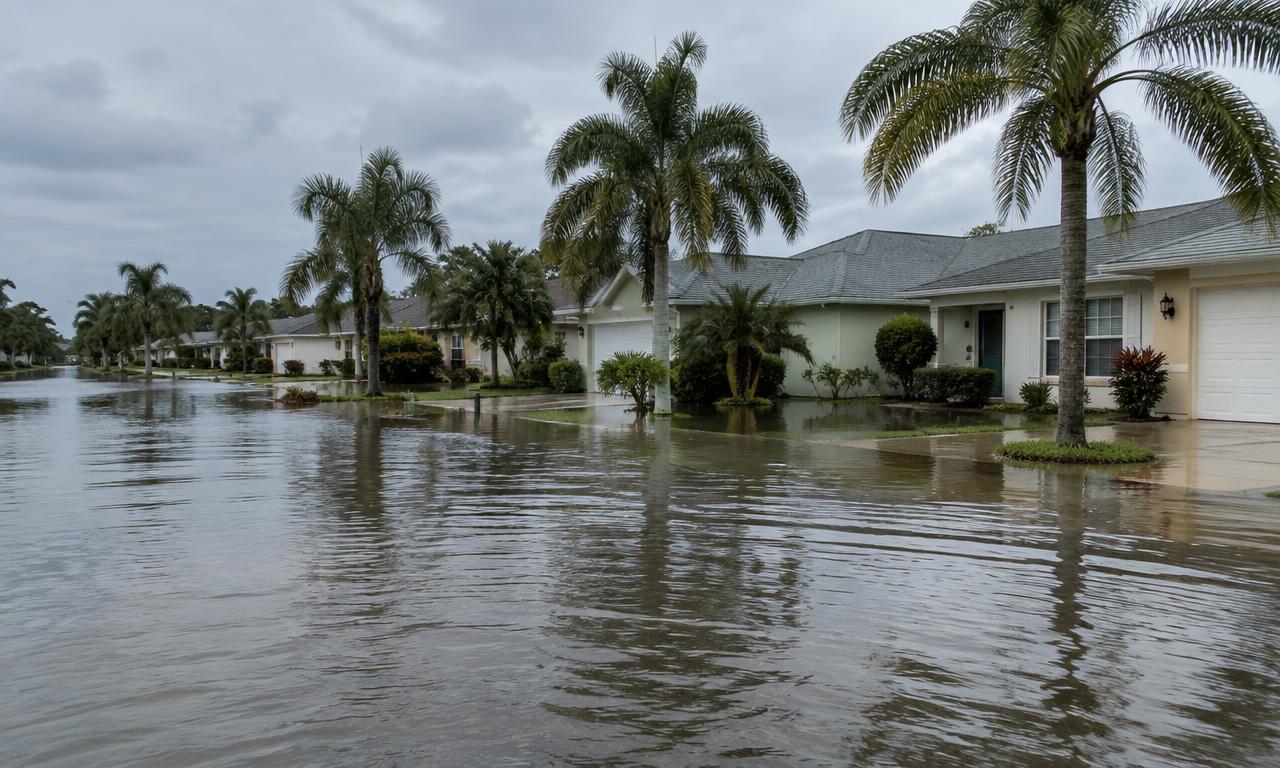
Flood Damage vs. Water Damage
Insurers treat these as two different losses. Water damage usually starts inside the home or comes through an opening the storm created, such as a burst pipe or rain entering through a damaged roof. Flood damage is surface water from outside: storm surge, overflowing canals, or heavy rain that pools and rises into the home.
A standard homeowners policy typically covers the first and excludes the second. That is why the cause of the water is often the first thing an adjuster decides, and why the same storm can produce two separate claims under two separate policies. If your loss started inside the home, our water damage claims page is the better starting point.
Where Flood Coverage Comes From
Most flood policies in Florida are written through the National Flood Insurance Program (NFIP), a federal program serviced by private insurance companies. Others are private flood policies sold by insurers outside the federal program. The two follow different rules, so the first step is identifying which kind you have.
NFIP Flood Policies
NFIP policies use a standard federal form. Building coverage and contents coverage are separate, each with its own limit, and coverage for basements and areas below the lowest elevated floor is limited. Payment disputes follow federal rules rather than Florida's homeowners insurance statutes.
Private Flood Policies
Private flood policies can offer higher limits or broader coverage, such as additional living expenses. Their terms vary by insurer, and Florida law generally governs disputes. Reading the declarations page and the policy itself matters more here, because no two private policies are exactly alike.
Deadlines That Can Decide a Flood Claim
Flood claims carry some of the shortest deadlines in property insurance. Missing one can reduce or end a claim even when the damage is clear.
- Report the loss to your flood insurer as soon as possible.
- Under a standard NFIP policy, a signed and sworn Proof of Loss is generally due within 60 days of the loss unless the deadline is extended in writing.
- A lawsuit over a disputed NFIP claim generally must be filed in federal court within one year of the written denial of all or part of the claim.
- Private flood policies set their own notice and proof requirements, and Florida's reporting deadlines may also apply.
If you are close to any of these dates, call the office rather than waiting on a form response.
Why Flood Claims Get Underpaid
Underpayment is more common than outright denial. Typical reasons include:
- The adjuster's estimate leaves out hidden damage, such as wet insulation, subfloor, or wiring inside the walls.
- Contents are valued at depreciated cost rather than what it takes to replace them.
- Part of the damage is blamed on a prior flood, long-term seepage, or a cause the policy excludes.
- Items in limited-coverage areas, such as below an elevated floor, are excluded without explanation.
- The insurer splits the loss between wind and flood in a way that leaves a gap between two policies.
Comparing the adjuster's estimate line by line with an independent contractor's estimate is often the clearest way to see what was missed. Our guide on what to do when your claim payment is too low walks through that comparison.
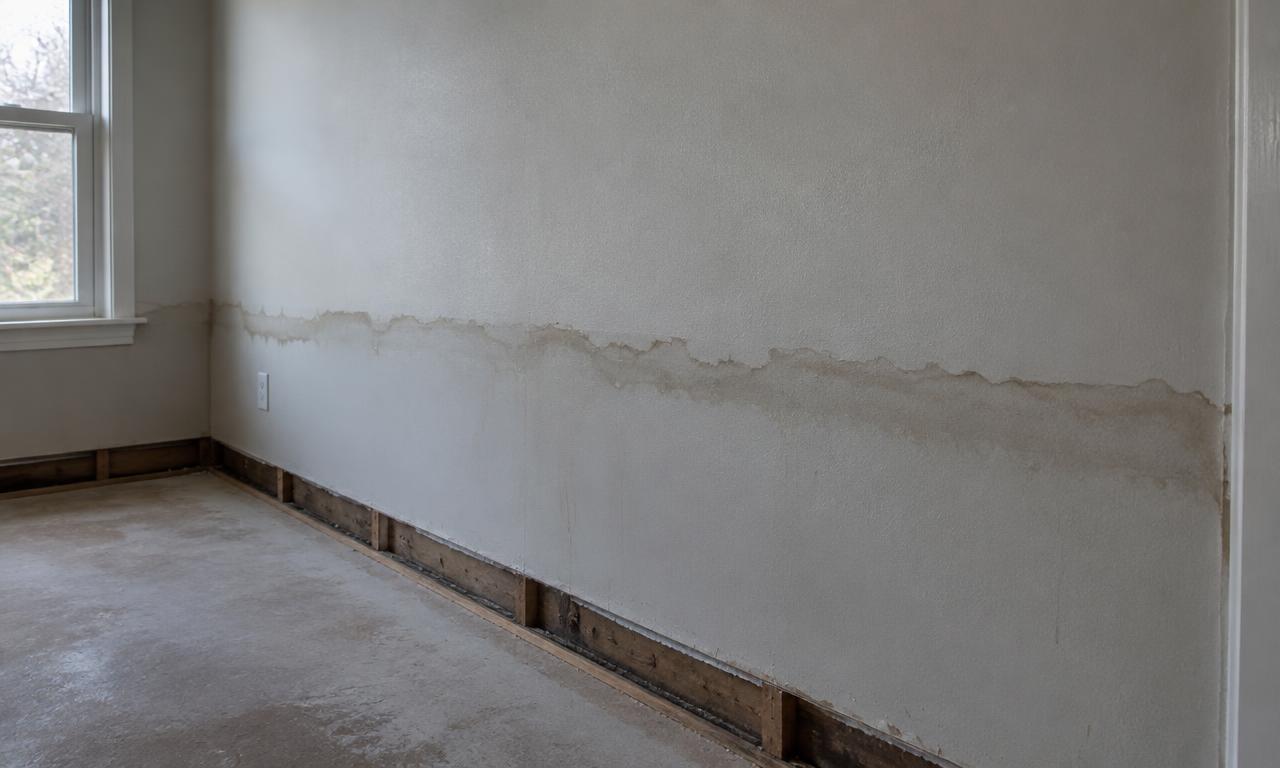
Wind vs. Water After a Hurricane
After a hurricane, the homeowners insurer may say the damage was caused by flood, while the flood insurer says it was caused by wind. Each points to the other policy, and the homeowner is left in between.
Photos taken before cleanup, roof and window damage, water lines on interior walls, and neighborhood conditions can all help show which peril caused which damage. Our page on hurricane damage claims covers the wind side of that dispute.
What to Document After a Flood
- Photograph and video every room before removing water or debris, including the water line on walls.
- Keep samples of flooring, carpet, and drywall where practical, or photograph them before disposal.
- List damaged contents with approximate age and replacement cost.
- Save receipts for pumps, fans, dehumidifiers, and emergency repairs.
- Keep every letter, estimate, and email from the insurer and adjuster.
For a fuller list, see the property damage checklist.
How Orellana Law Can Help
Policy Review
We identify whether you have an NFIP or private flood policy, what it covers, and which deadlines apply to you.
Estimate Comparison
We review the adjuster's estimate against the actual damage and repair costs to find what was left out.
Wind and Flood Disputes
When two insurers point at each other, we look at both policies together so the full loss is accounted for.
Negotiation and Litigation
If the insurer will not correct the payment, we discuss next steps, including filing suit within the applicable deadline.
Serving all of Florida
Flood Damage Claims Guidance in Miami-Dade County and Across Florida
Orellana Law has one office in Miami and serves clients with flood damage claims matters throughout Miami-Dade County and across the entire State of Florida. Wherever you are in the state, you can meet with the firm by phone or video. Contact the firm to discuss your situation.