
What Counts as a Plumbing Leak Claim
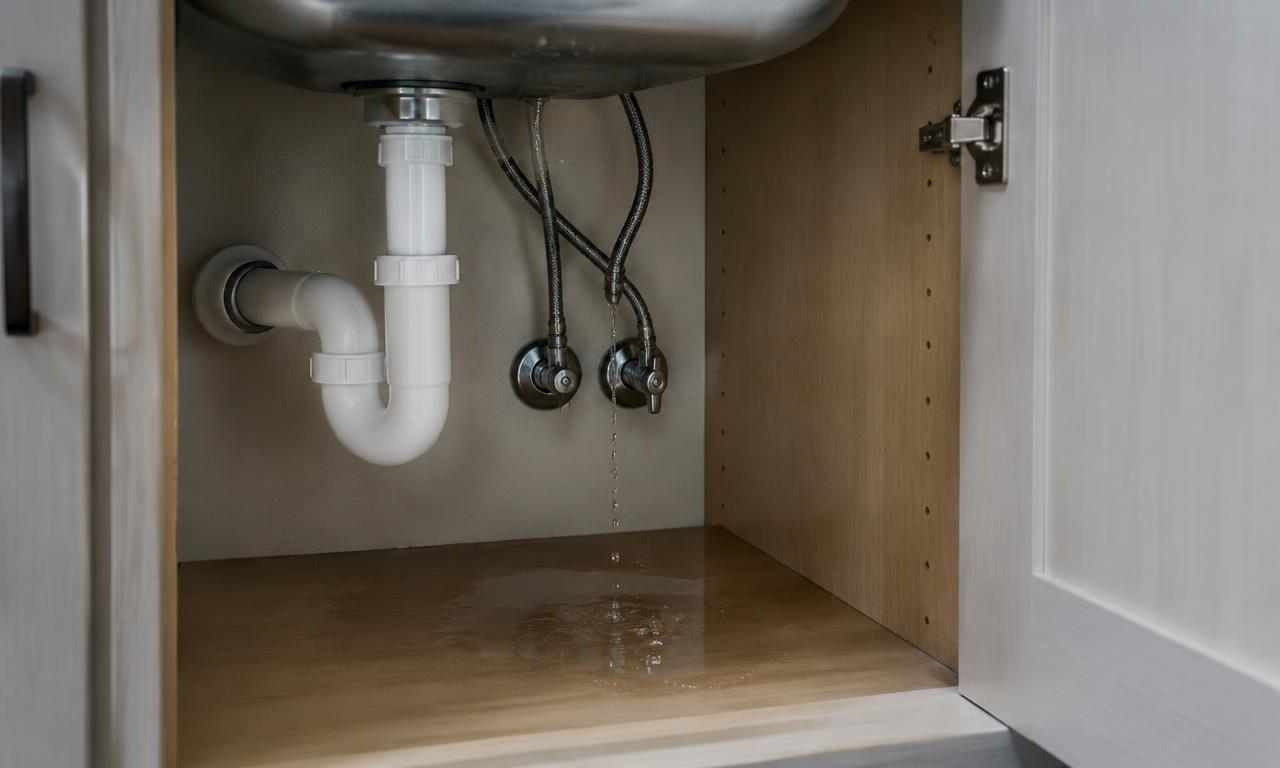
A plumbing leak claim covers damage caused by water escaping from a home's plumbing system. Common sources include burst supply lines, failed water heaters, cracked drain lines, slab leaks under the foundation, leaking toilet and sink connections, and washing machine hoses.
The claim is usually for the resulting damage to floors, walls, cabinets, and belongings. Many policies do not pay to replace the failed pipe itself, but they may pay to tear out and replace the parts of the home needed to reach and repair it. For broader water losses, including roof leaks and storm water, see our water damage claims page.
The 14-Day Rule and Leak Limits
Many Florida policies contain a provision that excludes or limits damage from water that leaked repeatedly or continuously for 14 days or more. Insurers rely on this language to deny claims they describe as long-term leaks.
Some policies also cap water damage at a lower amount, such as $10,000, unless the homeowner chose full coverage. Others limit payment for tear-out and access. Reading the exact policy language, including endorsements, is the only way to know which limits apply.
When the Insurer Says the Leak Was Slow
An adjuster may point to staining, rot, or mold to argue the leak lasted weeks. Those signs do not always prove timing. Florida humidity can cause mold within days, and a sudden failure can soak materials quickly. Plumber reports, photos, water bills, and the condition of the failed part can all help show when the leak actually started.
Slab Leaks and Hidden Leaks
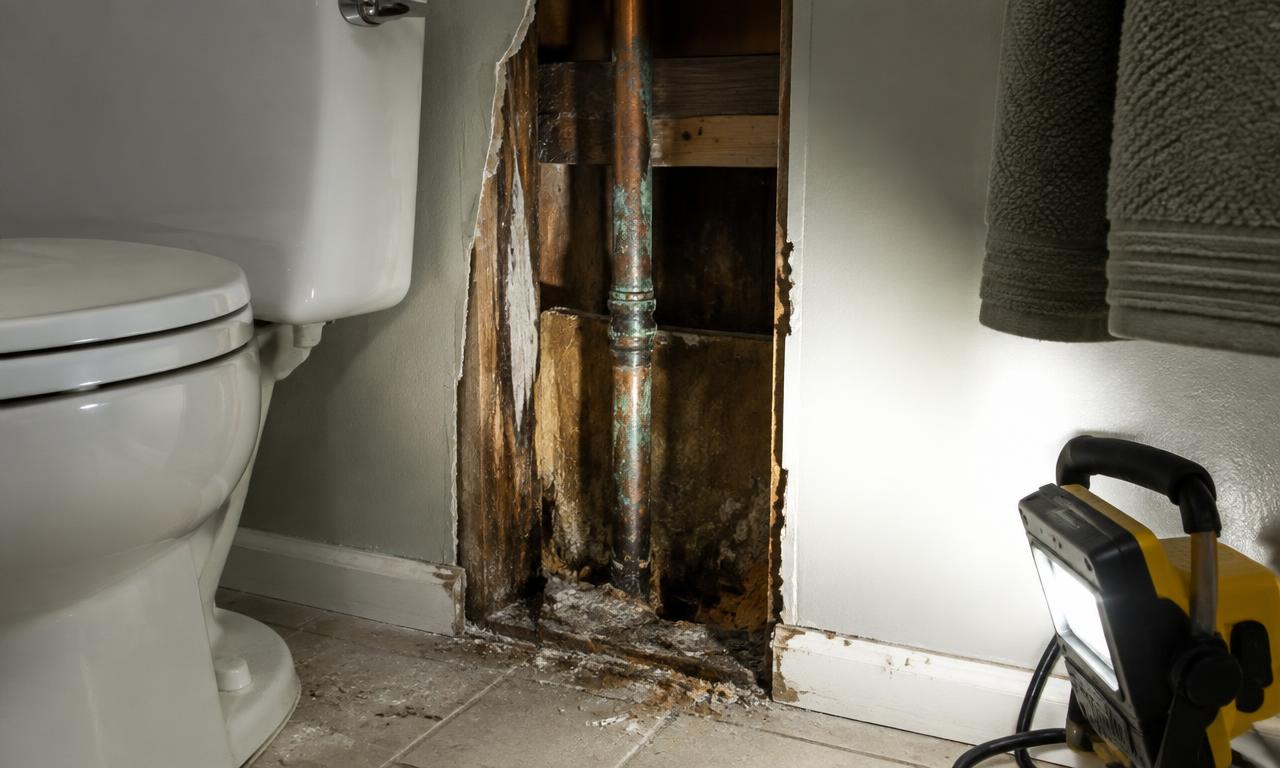
Leaks under the slab or inside walls are often discovered only after the damage is visible. Insurers may argue they were hidden for too long to be covered. The policy language on concealed leaks, the plumber's findings, and how quickly you reported after discovery all matter.
Accessing a slab leak may require breaking through flooring and concrete. Whether the policy pays for that access, and for restoring the floor afterward, is a frequent point of disagreement.
Why Plumbing Leak Claims Get Denied
- The leak is labeled continuous or repeated for 14 days or more.
- The damage is blamed on wear and tear, corrosion, or lack of maintenance.
- The loss was reported late.
- Mold is treated as excluded rather than as part of the covered water loss.
- Tear-out and access costs are left out of the estimate.
A denial letter should state the specific policy language relied on. If it does not, or if the stated reason does not fit the facts, that is worth reviewing. Our guide to denied insurance claims explains how to read the letter.
What to Do After a Plumbing Leak
- Shut off the water and call a licensed plumber.
- Photograph the leak source and all damage before cleanup.
- Keep the failed part, such as the supply line or valve, if you can.
- Get the plumber's written report on the cause of the leak.
- Report the claim promptly and keep receipts for drying and emergency repairs.
Hidden damage found later during repairs must be reported as a supplemental claim within 18 months of the date of loss under Fla. Stat. § 627.70132, so document it as you find it.
Restoration Contracts and Your Rights
Water mitigation companies often arrive quickly after a leak. They work for you, not the insurer. Read any contract before signing, keep copies of every invoice and moisture reading, and ask how they will document the damage. Their records can become important evidence if the insurer disputes the scope of the loss.
How Orellana Law Can Help
Claim Review
We review the denial or estimate, your policy, and any water damage limits or endorsements.
Cause and Timing Evidence
We look at the plumber's report, photos, and other evidence that shows when and how the leak happened.
Scope and Payment
We compare the insurer's estimate with the real cost of tear-out, repair, and replacement.
Negotiation and Litigation
If the insurer will not correct its decision, we explain the pre-suit steps and options available to you.
Serving all of Florida
Plumbing Leak Claims Guidance in Miami-Dade County and Across Florida
Orellana Law has one office in Miami and serves clients with plumbing leak claims matters throughout Miami-Dade County and across the entire State of Florida. Wherever you are in the state, you can meet with the firm by phone or video. Contact the firm to discuss your situation.