
How the Florida Property Insurance Claim Process Works
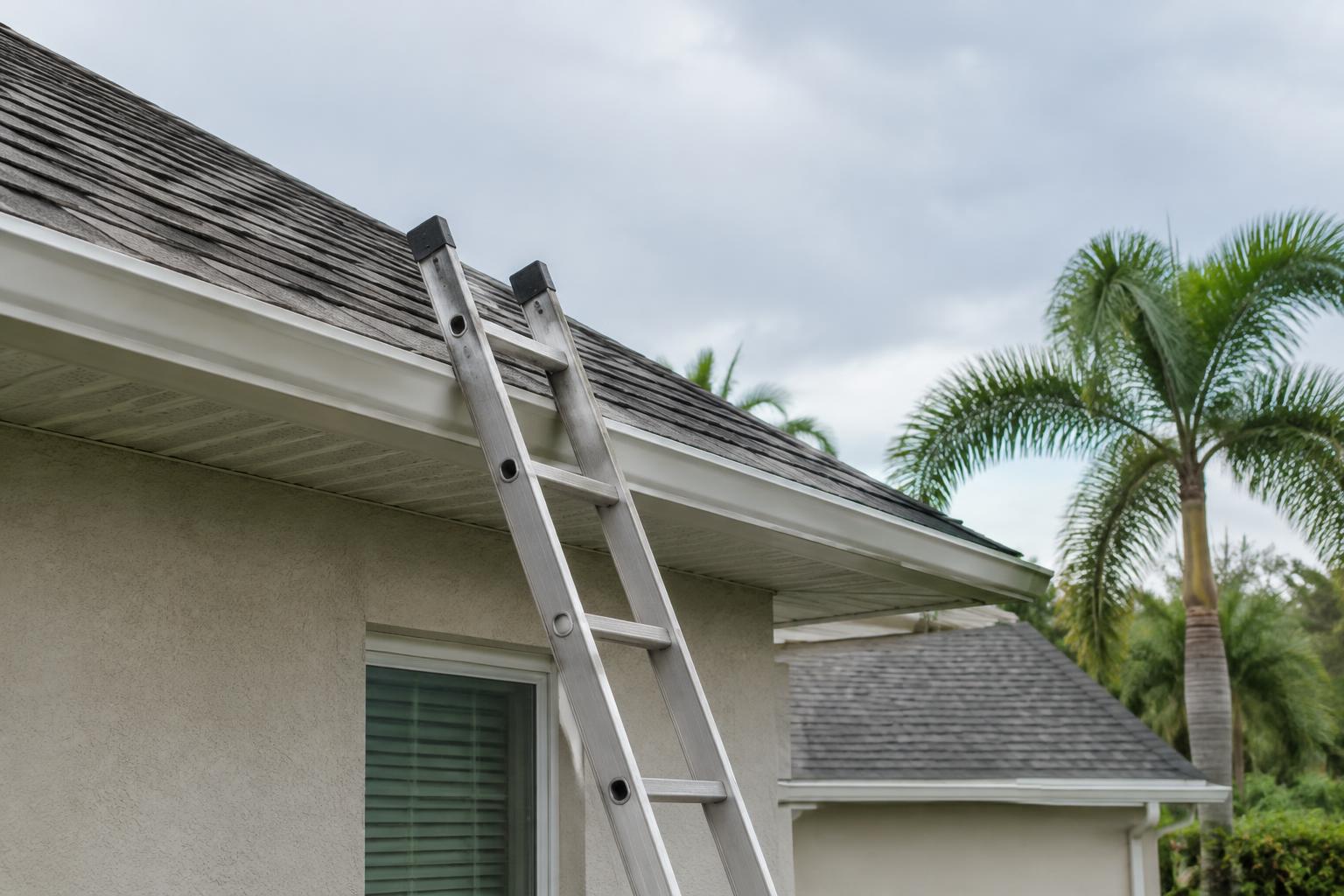
The process generally begins when a policyholder reports a loss to their insurer, who then assigns a claim number and, in most cases, an adjuster to investigate. The adjuster inspects the property, reviews photos and documentation, and produces an estimate of covered damage. From there, the insurer issues a decision: full coverage, partial coverage, or denial.
This process can move quickly for straightforward losses or drag on for months when there is disagreement about the cause or extent of damage. Understanding each stage can help you recognize when something is moving slower than expected or when an estimate does not match the actual damage. For a broader look at the overall practice area, see our property insurance claims hub.
What Documentation Do You Need to Support a Claim?
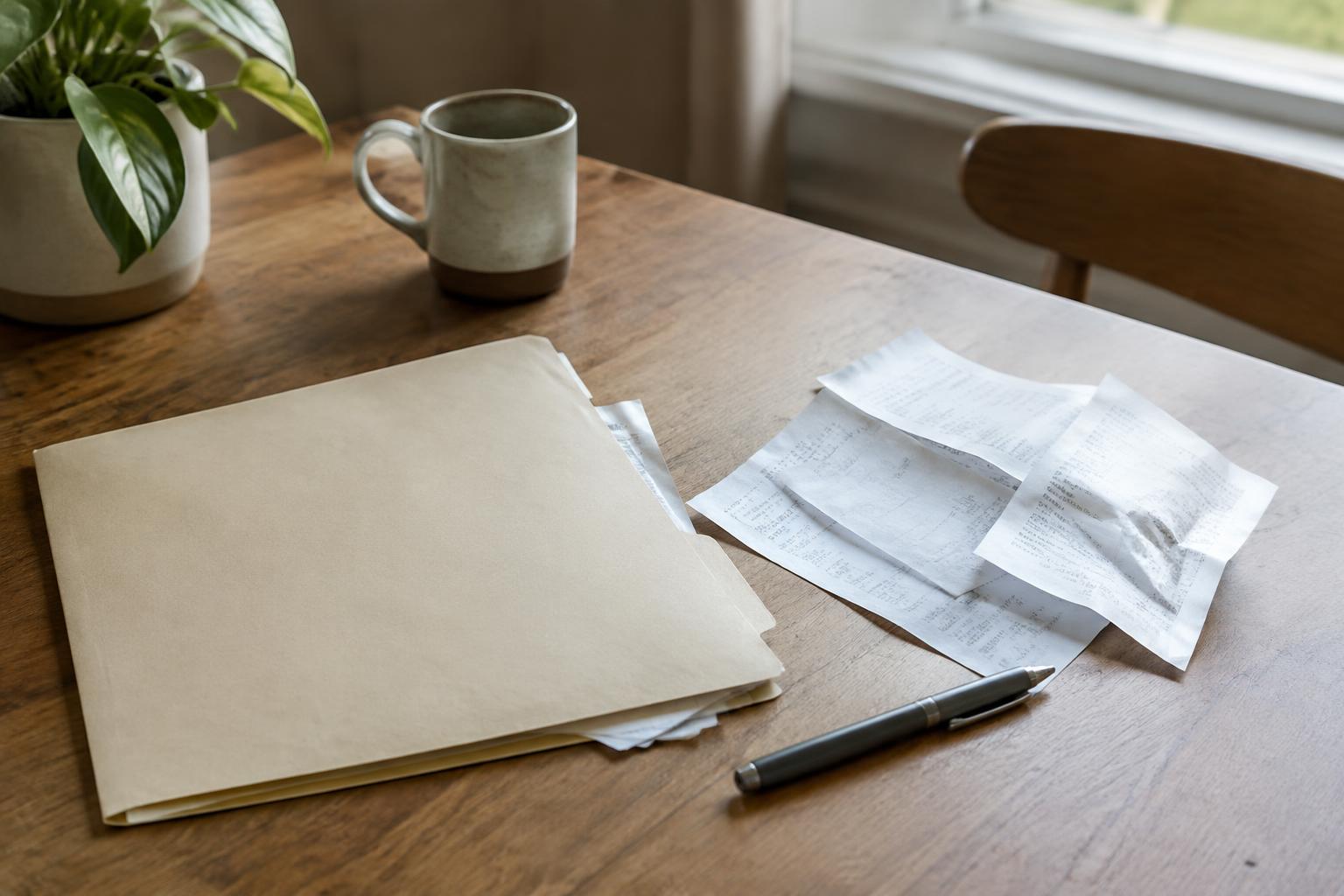
Strong documentation is one of the most important factors in a property insurance claim. Insurers rely heavily on what can be shown, not just described, so thorough records give an adjuster less room to dispute the extent of loss.
- Date-stamped photos and video of all damaged areas, inside and out
- A written timeline of the event and any temporary repairs made
- Receipts for emergency repairs, temporary housing, or mitigation services
- Contractor estimates itemizing labor and materials
- Copies of prior inspection reports, if any exist
- All correspondence with the insurance company, including emails and letters
Understanding Your Policy's Covered Perils and Exclusions
Every property policy lists the specific perils it covers, such as wind, fire, or certain types of water damage, along with a set of exclusions. Reading these sections closely can clarify whether a loss should be covered at all before a dispute even arises. Common exclusions include gradual wear and tear, flood water, and, in some policies, certain types of mold growth beyond a stated limit.
Because policy language varies by carrier and even by policy year, two neighbors with damage from the same storm can have very different coverage outcomes. If your loss involves wind or storm activity specifically, our hurricane damage claims page addresses that scenario in more detail.
The Role of the Insurance Adjuster in Your Claim
The adjuster's job is to inspect the damage and estimate the cost of repair according to the insurer's guidelines and software. It is important to remember that the adjuster works for the insurance company, even when the interaction feels routine and cooperative. That does not mean every adjuster acts in bad faith, but it does mean their estimate reflects the insurer's assumptions about scope, materials, and pricing.
Homeowners are generally allowed to have their own contractor or representative present during an inspection and to request a copy of the adjuster's written estimate. Comparing that estimate line by line against an independent bid is one of the most effective ways to spot gaps early.
What Happens When a Claim Is Denied or Underpaid?
Not every claim resolves with a full and prompt payment. Some are denied outright, often with a written explanation citing an exclusion, alleged pre-existing damage, or a missed procedural step. Others are approved but at an amount well below what repairs actually cost. Each situation calls for a different response.
If your claim was denied, see our page on denied insurance claims for a closer look at common denial reasons. If the issue is more about the dollar amount offered, underpaid insurance claims covers that scenario directly.
How Property Type Affects Your Claim
The type of property involved changes what documentation and coverage questions matter most. A single-family home claim often centers on the structure and personal property, while a condominium claim may involve overlapping master and unit-owner policies. Rental property owners face questions about lost rental income, and business owners must consider business personal property and, in some cases, business interruption coverage.
If your loss involves a rental unit, office, or other income-producing property, our commercial property claims page addresses the distinct issues that arise in that context, including tenant displacement and lost income documentation.
Common Property Damage Sources Behind Florida Claims
While hurricanes generate the largest wave of claims, Florida homeowners file property insurance claims year-round for a variety of causes. Recognizing which category your loss falls into can help you anticipate what an insurer will focus on during its review.
- Roof damage from wind, hail, or age-related wear, discussed on our roof damage claims page
- Burst pipes, appliance failures, and slow leaks covered under water damage claims
- Kitchen, electrical, or structural fires addressed in fire and smoke damage claims
- Hidden moisture leading to mold damage claims
How Long Does a Property Insurance Claim Take to Resolve?
Most Florida property claims move through inspection, estimate, and decision within a matter of weeks when there is no dispute over cause or amount. Claims involving multiple damage categories, such as roof and interior water intrusion together, generally take longer because each area may require its own documentation and review.
If a claim moves into a dispute over coverage or amount, the process can extend considerably, particularly when appraisal or additional inspections become necessary. Staying organized and responsive to every request tends to keep even a contested claim moving as efficiently as possible.
Mistakes to Avoid When Filing a Property Insurance Claim
Small missteps early in the process can create bigger problems later. Some of the most common errors involve poor documentation, miscommunication with the insurer, or misunderstanding what a policy actually requires.
- Waiting too long to report the loss after it is discovered
- Making permanent repairs before the damage is documented
- Relying on verbal assurances instead of getting decisions in writing
- Overlooking a proof of loss deadline buried in insurer correspondence
- Accepting the first estimate without comparing it to an independent bid
What Evidence Helps Support a Property Insurance Claim?
The strength of a claim often comes down to the quality of the evidence behind it. Detailed, date-stamped photographs and video, independent contractor estimates, and a clear written timeline of events tend to carry significant weight with an adjuster or, later, in a dispute. Weather reports and prior maintenance records can also help establish the cause and condition of the property before the loss.
Homeowners who keep this kind of file from the outset are often in a stronger position if the claim is later denied or underpaid. See our pages on denied insurance claims and underpaid insurance claims for more on how documentation factors into those disputes.
When to Consider Legal Help With a Property Insurance Claim
Many claims resolve without a dispute, but some reach a point where the insurer's position and the homeowner's documentation simply do not line up, or where deadlines and legal notices start to feel overwhelming. That is often when it helps to have someone familiar with these disputes review the file.
Orellana Law, P.A. reviews Florida property insurance claims at every stage, from the initial filing through a denial or underpayment dispute. Request a free consultation to go over your specific situation, or read more about George Orellana and how the firm approaches these matters.
Serving all of Florida
Property Insurance Claims Guidance in Miami-Dade County and Across Florida
Orellana Law has one office in Miami and serves clients with property insurance claims matters throughout Miami-Dade County and across the entire State of Florida. Wherever you are in the state, you can meet with the firm by phone or video. Contact the firm to discuss your situation.