Common Causes of Roof Damage in Florida
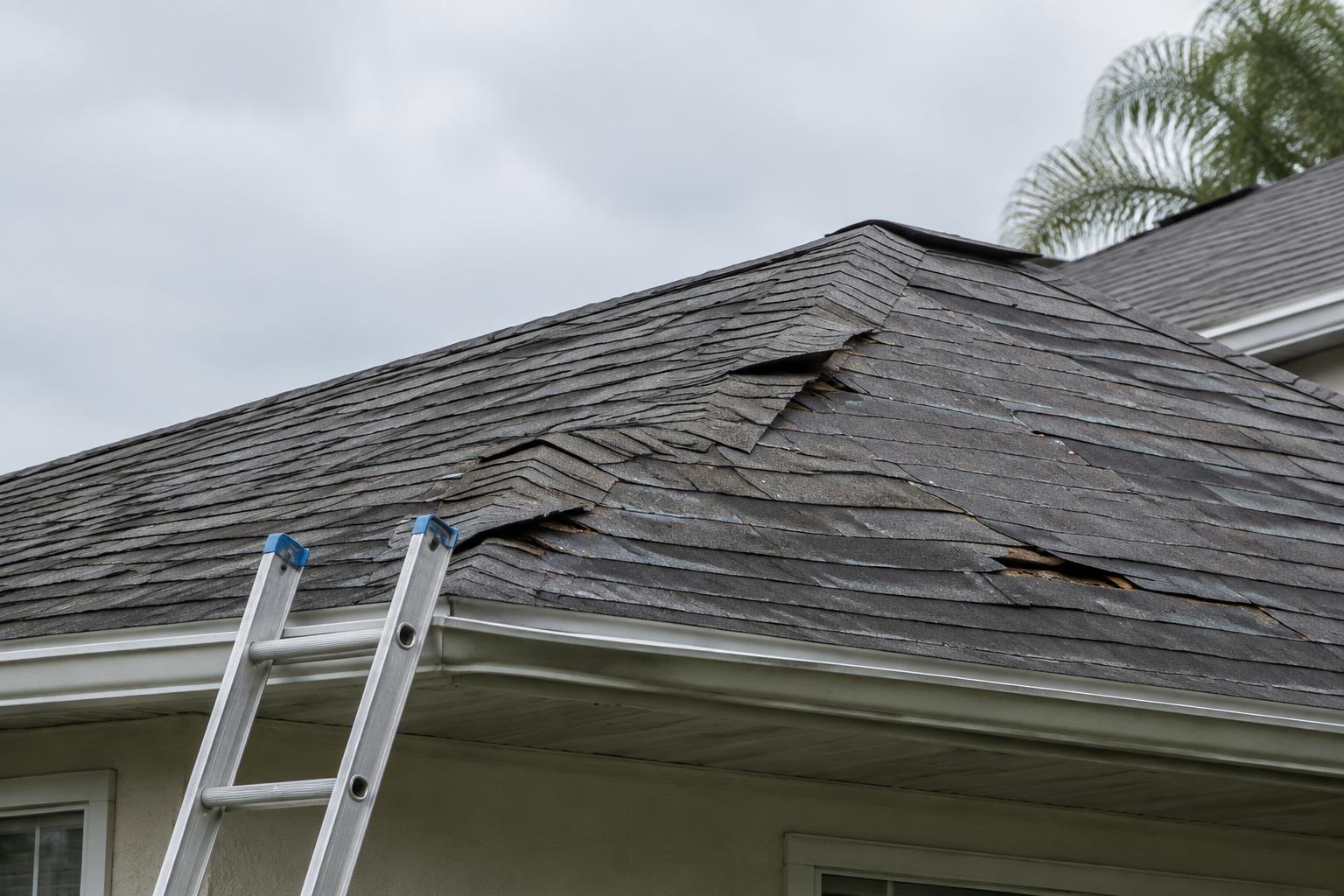
Florida roofs face a unique combination of stressors: tropical storms and hurricanes, sustained UV exposure, heavy rainfall, and occasional hail. Wind uplift can loosen or tear away shingles, tiles, or underlayment, while driving rain can force water beneath compromised flashing and create a roof leak long before any visible hole appears. Over time, sun exposure degrades roofing materials, making them more brittle and prone to cracking during even a moderate storm.
Because Florida sees frequent severe weather, insurers scrutinize every roof claim for pre-existing wear, deferred maintenance, or age-related deterioration. This is one reason property insurance claims involving roofs are so often contested. Recognizing what caused the damage, and documenting it promptly, is an important first step in protecting your claim.
How Insurance Adjusters Evaluate Roof Claims
When you file a roof damage claim, the insurer typically sends an adjuster to inspect the property, photograph visible damage, and assess the roof's overall condition. Adjusters often weigh the roof's age heavily, since many policies apply different payout terms to older roofs. They may also look for signs of gradual wear rather than sudden storm damage, since policies generally cover sudden events and may exclude ordinary deterioration.
Depreciation, ACV, and RCV Explained
Two terms matter greatly in roof claims: actual cash value (ACV) and replacement cost value (RCV). ACV factors in depreciation based on the roof's age and condition, resulting in a lower initial payout. RCV is intended to cover the cost of a full replacement, though many policies hold back a depreciation amount until repairs are completed. Understanding which valuation method applies to your policy can make a significant difference in what you ultimately recover.
The Matching Problem: When Insurers Only Pay for Partial Repairs
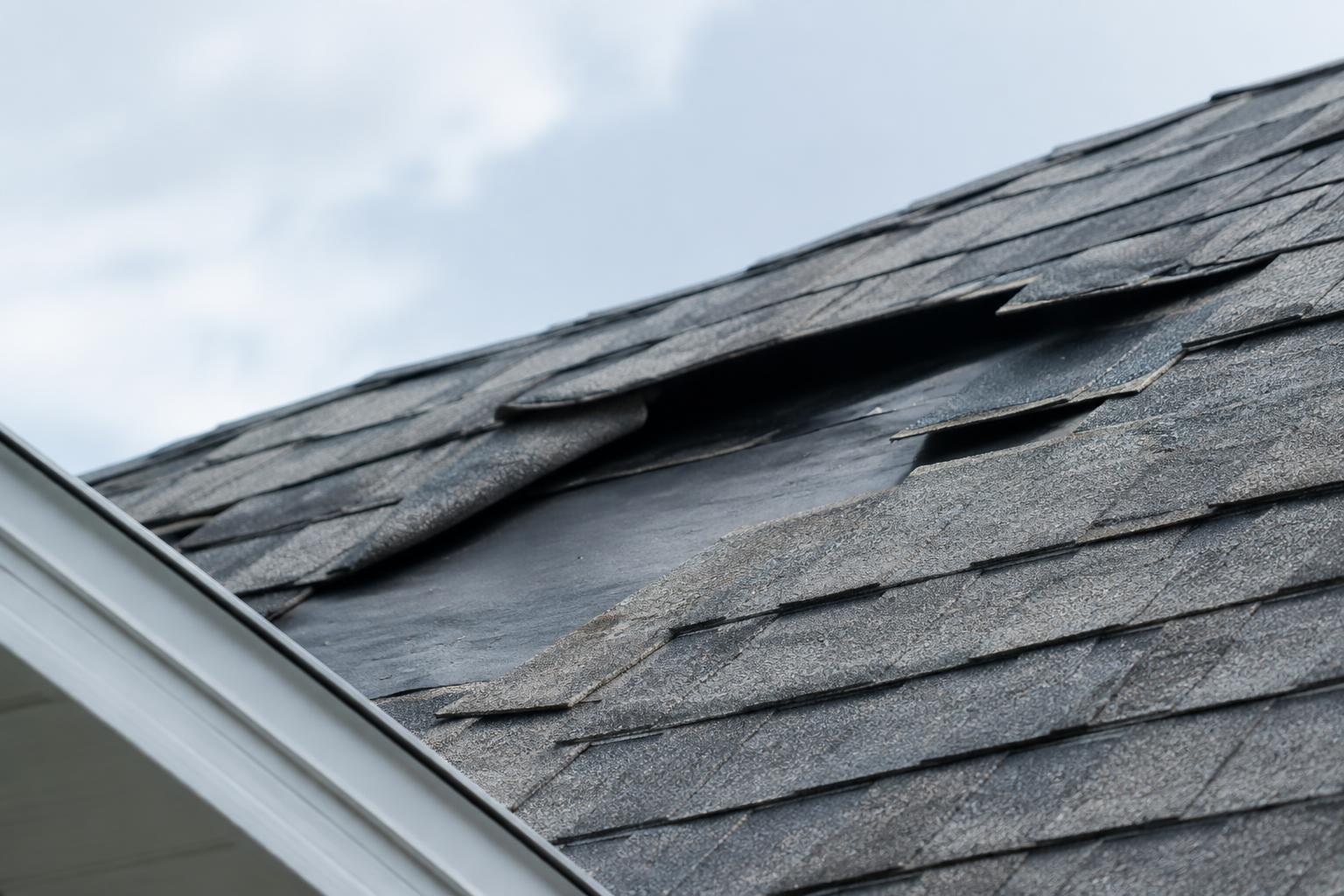
One of the most frequent disputes in roof damage claims involves matching, a situation where discontinued or mismatched shingles make a small repair look visibly different from the rest of the roof. Homeowners often expect a full roof replacement when matching materials aren't available, but insurers sometimes offer only a patch repair instead. This gap between homeowner expectations and insurer positions is a common source of underpaid or underpaid insurance claims.
If your insurer is only willing to repair a section of your roof despite clear mismatch issues, it may be worth having the claim reviewed. Florida homeowners facing this exact dispute frequently reach out to discuss their options with legal counsel before accepting a partial settlement.
What to Do After Discovering Roof Damage
Acting quickly after discovering roof damage can protect both your home and your claim. Consider the following steps as soon as it is safe to do so.
- Photograph and video the damage from multiple angles, including any interior water stains linked to a roof leak.
- Arrange reasonable, temporary measures like a tarp to prevent further intrusion, keeping receipts for any repairs.
- Review your policy for reporting deadlines and required documentation.
- Avoid signing any contractor agreement that assigns your insurance benefits without understanding the terms.
- Keep a written log of every call, email, and inspection related to your claim.
Why Roof Damage Claims Are Often Underpaid or Denied
Insurers may deny a roof claim by attributing damage to wear and tear, prior storms, or lack of maintenance rather than a recent covered event. Other denials cite missed reporting deadlines or insufficient documentation. Even when a claim is accepted, the payout may be far less than the actual cost of repair, especially where depreciation or a high hurricane deductible applies.
If your claim was denied outright, this guide on what to do when your insurance claim is denied walks through general next steps. Many homeowners also find it useful to understand why insurance claims get delayed or undervalued before deciding how to respond.
Preventing Future Roof Damage and Claim Disputes
Regular roof maintenance, including periodic inspections and prompt repair of minor issues, can reduce the likelihood of a dispute down the road. Keeping receipts for maintenance work, along with dated photographs of your roof's condition over time, gives you a stronger record if an insurer later argues the damage was pre-existing or the result of neglect rather than a specific storm.
It also helps to understand your policy's specific roof coverage provisions before a loss occurs, including any age-related limitations or scheduled depreciation on roofing materials. Homeowners who know these terms in advance are often better positioned to respond quickly and effectively when a roof damage event does occur, rather than learning about coverage limitations for the first time during a dispute.
Roof Age and Its Effect on Coverage
Roof age can influence not only depreciation calculations but also whether a policy applies special roof coverage limitations. Some policies pay ACV rather than RCV once a roof passes a certain age, regardless of the cause of loss. If your roof is older, it helps to know how your specific policy treats age-related payout limits before you accept a settlement offer.
An older roof does not automatically mean a claim should be denied. If the damage stems from a specific storm event rather than gradual wear, the claim may still be valid even on an aging roof, and a fair evaluation should reflect that distinction.
Roof Damage After a Hurricane vs. Ordinary Storms
Roof damage claims tied to a named storm often trigger a separate hurricane deductible, which is typically a percentage of the dwelling coverage rather than a flat dollar figure. This can substantially change what you're expected to pay out of pocket before coverage applies. For homeowners dealing with storm-related roof issues specifically tied to hurricanes, our page on hurricane damage claims covers additional considerations unique to named storms.
By contrast, non-named severe thunderstorms or isolated wind events are usually subject to the standard, non-hurricane deductible. Knowing which deductible applies to your loss is an important part of understanding your total potential recovery.
How Our Firm Can Help With Your Roof Claim
Our property insurance team reviews policy language, adjuster reports, and correspondence to help homeowners understand whether a roof claim decision is consistent with their coverage. We can help evaluate denied claims, disputes over ACV versus RCV, and matching disagreements, and we discuss the fee arrangement for your matter during your free consultation.
If your roof damage claim has been denied, delayed, or underpaid, request a free consultation to discuss your situation with our team. This is general information and not legal advice for any particular claim.
Serving all of Florida
Roof Damage Claims Guidance in Miami-Dade County and Across Florida
Orellana Law has one office in Miami and serves clients with roof damage claims matters throughout Miami-Dade County and across the entire State of Florida. Wherever you are in the state, you can meet with the firm by phone or video. Contact the firm to discuss your situation.