
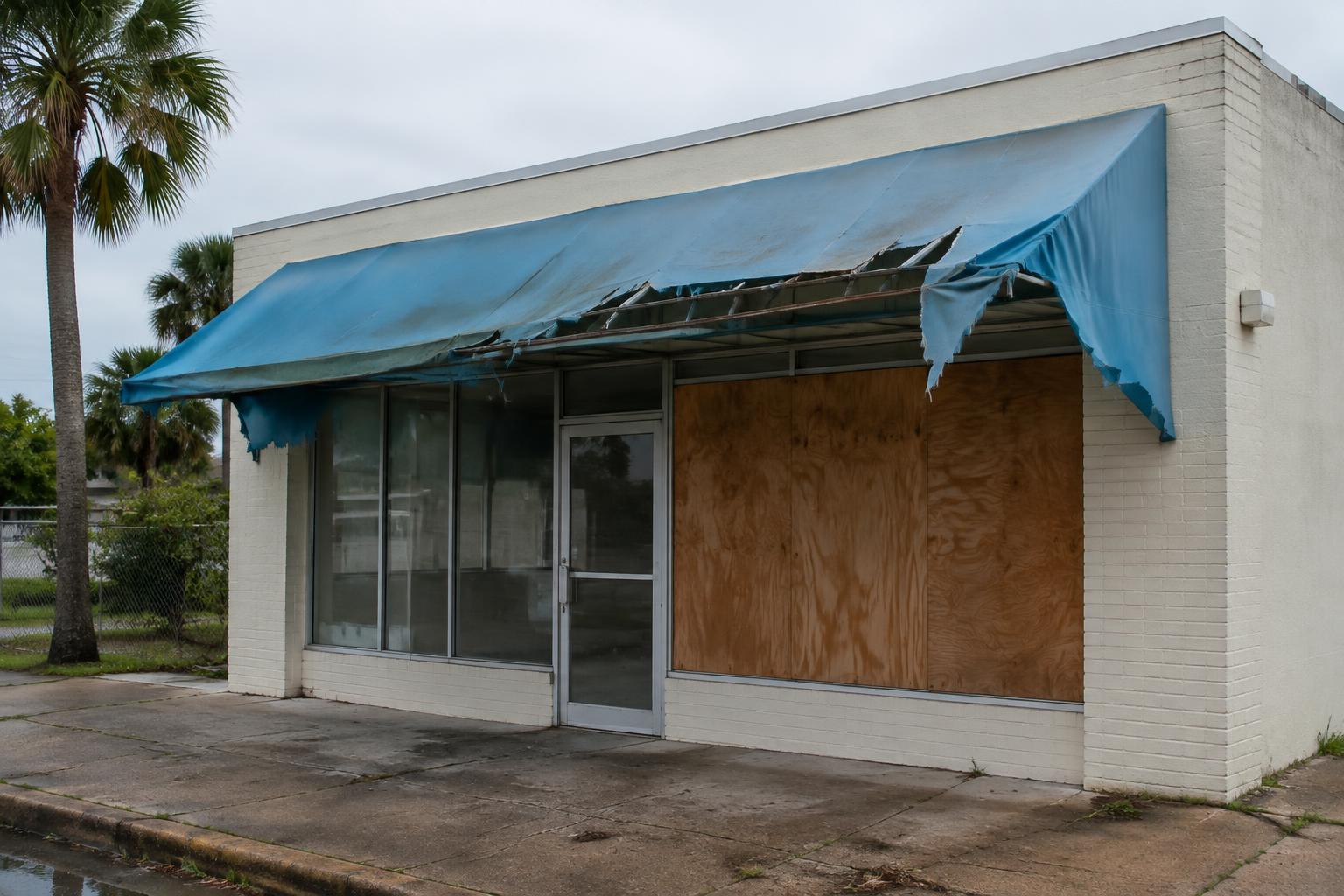
Types of Commercial Property Damage Claims
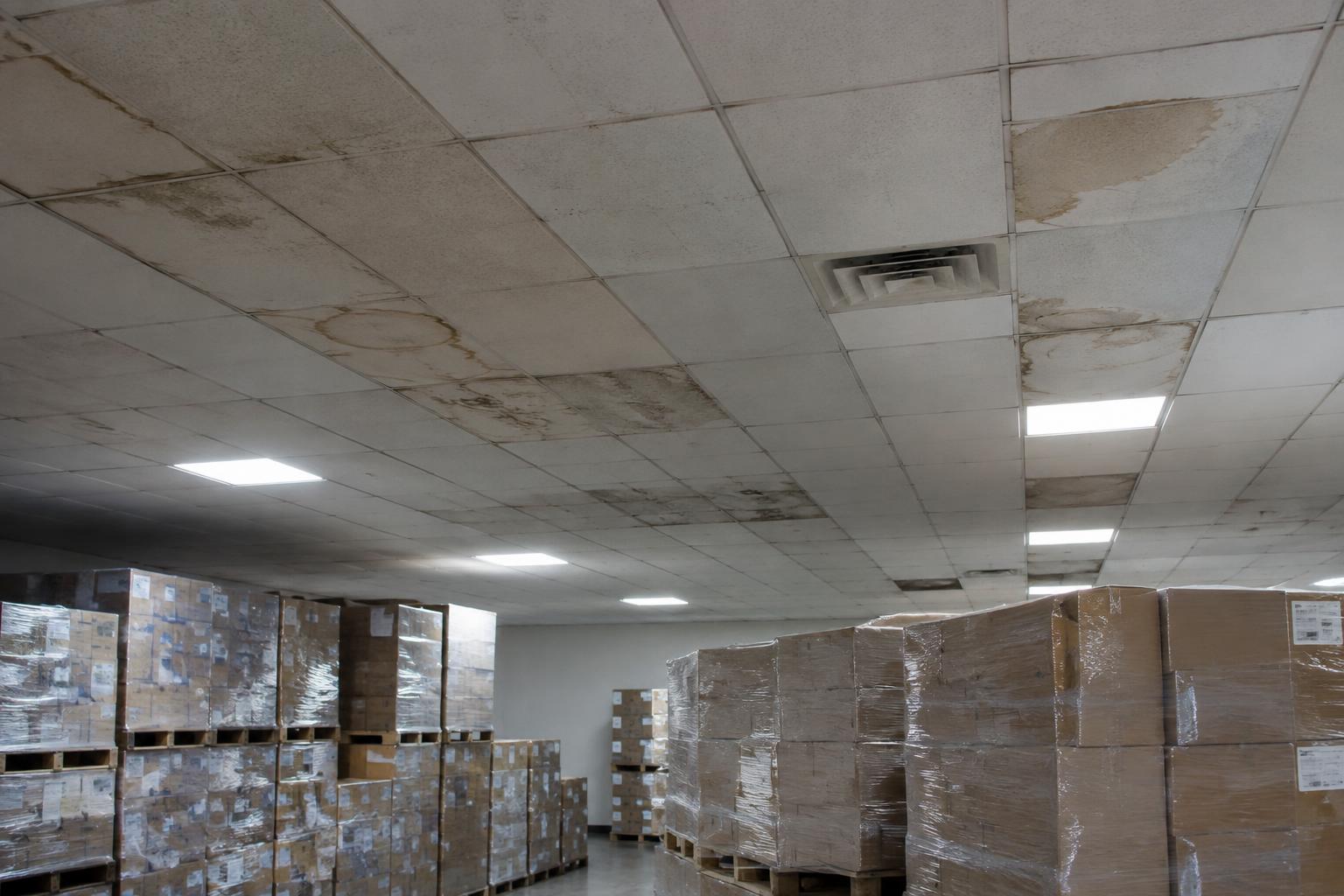
Commercial property claims can arise from a wide range of events, including hurricanes and windstorms, roof leaks, pipe bursts, fires, and vandalism. Businesses may face damage to the building structure itself, as well as to inventory, equipment, fixtures, and tenant improvements, each of which may be covered under different provisions of a commercial policy.
Multi-tenant buildings and shopping centers often add complexity, since damage may affect common areas, individual units, or both, raising questions about which party (the landlord or the tenant) bears responsibility for filing a claim on specific components of the property.
Business Interruption Coverage: What It Covers and Why It's Disputed
Business interruption coverage, sometimes included as an endorsement to a commercial property policy, is designed to help replace lost income and cover ongoing expenses while a business is unable to operate due to covered property damage. Calculating this loss typically requires financial records showing historical revenue and the actual period of interruption.
Common Disputes Over Interruption Period
Insurers often dispute how long a reasonable restoration period should be, sometimes shortening the timeline compared to the business owner's actual experience. Delays in obtaining permits, contractors, or materials, common in Florida after widespread storm damage, can extend the real-world closure period well beyond the insurer's initial estimate.
How Adjusters Evaluate Commercial Property Losses
Commercial claims typically involve a more detailed inspection process than residential claims, given the variety of equipment, inventory, and structural components involved. Adjusters may request detailed inventories, financial statements, and repair estimates from licensed contractors familiar with commercial construction.
Because commercial policies often include multiple coverage parts, building, business personal property, and business interruption, disputes can arise over how a single loss event should be allocated across these categories, sometimes resulting in a lower overall payout than the business anticipated.
Documenting a Commercial Property Loss
Thorough documentation is especially important for commercial claims given the higher stakes and complexity involved.
- Photograph and video all damaged areas, equipment, and inventory as soon as it is safe to do so.
- Gather financial records, including recent profit and loss statements, to support any business interruption claim.
- Keep detailed records of extra expenses incurred to continue operating, such as temporary relocation or equipment rental.
- Obtain repair estimates from licensed, experienced commercial contractors.
- Maintain a communication log with your insurer, adjuster, and any public adjuster or contractor involved.
Common Reasons Commercial Property Claims Are Denied or Underpaid
Insurers may deny commercial claims by citing exclusions, alleged pre-existing damage, or lapses in required maintenance or inspections. Underpayment often results from undervalued business personal property, disputes over the length of a business interruption period, or incomplete estimates that fail to capture the full scope of structural and equipment damage.
If your commercial claim was denied, this overview on what to do when your insurance claim is denied offers general guidance applicable to both residential and commercial policyholders.
Commercial Property Damage After Hurricanes and Windstorms
Florida businesses face significant exposure to hurricane and windstorm damage, which can affect roofing, signage, HVAC systems, and building envelopes. Many commercial policies include a separate hurricane deductible, similar to residential policies, which can substantially affect out-of-pocket costs before coverage applies. Our hurricane damage claims page provides additional detail relevant to storm-related losses.
Given the scale of many commercial properties, storm-related roof and water intrusion issues often mirror the disputes seen in roof damage claims and water damage claims, just applied at a larger, more complex scale.
Multi-Tenant and Landlord-Tenant Claim Considerations
In leased commercial spaces, responsibility for filing an insurance claim often depends on the terms of the lease and which party insures which components of the property. Landlords typically carry coverage for the building structure, while tenants may carry separate coverage for their own contents, inventory, and improvements.
Disputes can arise when damage affects both categories, or when it's unclear whether a specific fixture or system falls under the landlord's or tenant's policy, making a careful review of both the lease and applicable policies an important early step.
Working With Public Adjusters and Contractors on Commercial Claims
Many business owners choose to work with a public adjuster or commercial restoration contractor to help document the scope of a large property loss. While these professionals can provide valuable technical assessments, it's important to understand any fee arrangements or assignment of benefits provisions before signing an agreement, since these can affect your rights under the policy.
Coordinating between your insurer, any public adjuster, and your own financial records helps ensure that business interruption calculations, equipment valuations, and structural repair estimates are all consistent and well-supported throughout the claims process.
Getting Help With a Commercial Property Claim
Our property insurance team reviews commercial policy language, business interruption calculations, and adjuster estimates to help business owners understand whether their claim has been fairly evaluated. We discuss the fee arrangement for your matter during your free consultation, and can review both straightforward and complex multi-party commercial disputes.
If your commercial property claim was denied, delayed, or underpaid, request a free consultation to discuss your situation, or learn more about our attorney on the George Orellana page. This content is general information and not legal advice for your specific claim.
How Long Does a Commercial Property Claim Take to Resolve?
Commercial property claims often take longer than residential claims due to the volume of documentation involved, from equipment inventories to financial statements supporting a business interruption calculation. Complex losses affecting multiple coverage parts, building, contents, and interruption, can add further time as each component is evaluated separately.
Florida law sets time limits that can affect your claim, and prompt, organized documentation submitted early in the process can help avoid unnecessary delays. Businesses that maintain clear financial records before a loss occurs are often better positioned to support a timely business interruption calculation.
Mistakes to Avoid After Commercial Property Damage
Business owners sometimes make avoidable errors that weaken a commercial property claim. Delaying the report of a loss, failing to mitigate further damage, or discarding damaged inventory before it can be documented are common missteps that can give an insurer grounds to dispute the claim.
Another frequent mistake is signing a contractor or public adjuster agreement without understanding any assignment of benefits language it may contain. Business owners should also avoid making verbal estimates of loss to an adjuster before compiling actual financial records, since early statements can later be used to challenge a more accurate, documented figure.
How Comparative Fault and Policy Conditions Affect Commercial Claims
Commercial policies often include specific conditions, such as requirements for routine maintenance, timely reporting, or documented mitigation efforts after a loss. Failing to meet these conditions can give an insurer grounds to reduce or deny a claim, even when the underlying cause of loss would otherwise be covered.
Some disputes also involve questions about whether a business's own actions, such as delayed repairs to a known vulnerability, contributed to the extent of the damage. Reviewing your specific policy's conditions and any maintenance records before a loss occurs, and discussing them with our property insurance team, can help you respond more effectively if this issue arises during a claim.
Serving all of Florida
Commercial Property Claims Guidance in Miami-Dade County and Across Florida
Orellana Law has one office in Miami and serves clients with commercial property claims matters throughout Miami-Dade County and across the entire State of Florida. Wherever you are in the state, you can meet with the firm by phone or video. Contact the firm to discuss your situation.