
How Hail Damages Florida Roofs
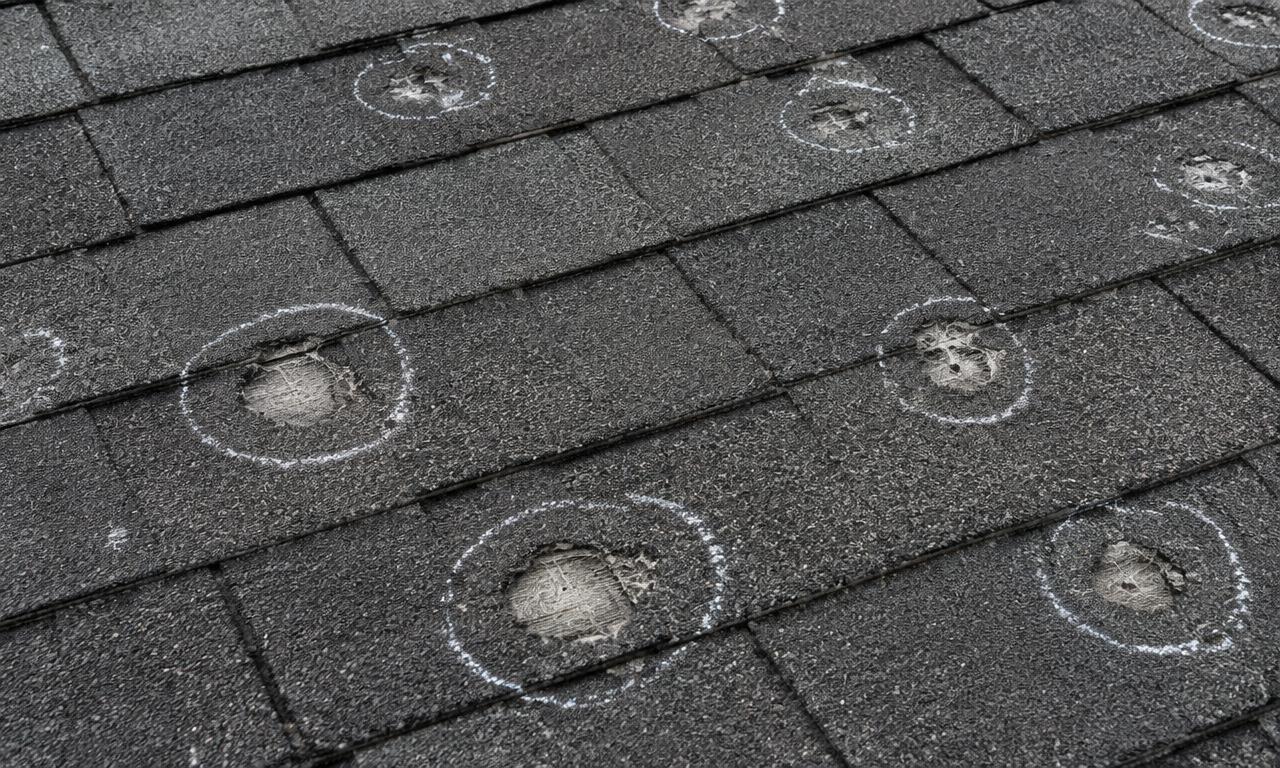
Hail can bruise or crack asphalt shingles, knock loose the protective granules, split wood shakes, crack tile, and dent metal roofing, gutters, vents, and skylights. Damage that looks minor can shorten a roof's life and lead to leaks months later.
Hail also hits windows, screens, pool enclosures, siding, and vehicles. Each item should be documented as part of the claim. For broader roof issues, see our roof damage claims page.
Cosmetic Damage Exclusions
Some policies, especially for metal roofs, exclude damage that affects only appearance and not function. Insurers may rely on that language to deny dents or marks they consider cosmetic. Whether damage is only cosmetic is a factual question. Cracked mats, lost granules, and broken seals affect how a roof sheds water, which is a functional problem.
Repair vs. Replacement Disputes
A common dispute is whether a hail-damaged roof needs a few patched shingles or a full replacement. Matching problems matter here. If replacement shingles or tiles no longer match, a partial repair can leave the roof inconsistent. Florida building rules can also require more extensive work once a certain portion of a roof is replaced.
Age and Wear Arguments
Insurers often point to a roof's age to argue the damage is ordinary wear. An older roof can still be damaged by hail. Pre-storm photos, inspection reports, and the pattern of impacts can help separate storm damage from aging. Older roofs may also be covered on an actual cash value basis, which our guide on ACV vs. RCV explains.
Why Hail Claims Get Underpaid
- Impact marks are described as cosmetic or as manufacturing defects.
- Damage is blamed on age, foot traffic, or prior storms.
- The estimate covers spot repairs instead of a full slope or roof.
- Gutters, vents, screens, and other components are left out.
- Depreciation is taken without a clear explanation.
If you received a payment that does not cover the repair, our page on underpaid insurance claims explains how to compare estimates and respond.
What to Do After a Hailstorm
- Note the date and time of the storm and save local weather reports.
- Photograph hail on the ground with a coin or ruler for scale, if safe.
- Photograph damage to gutters, vents, windows, screens, and vehicles.
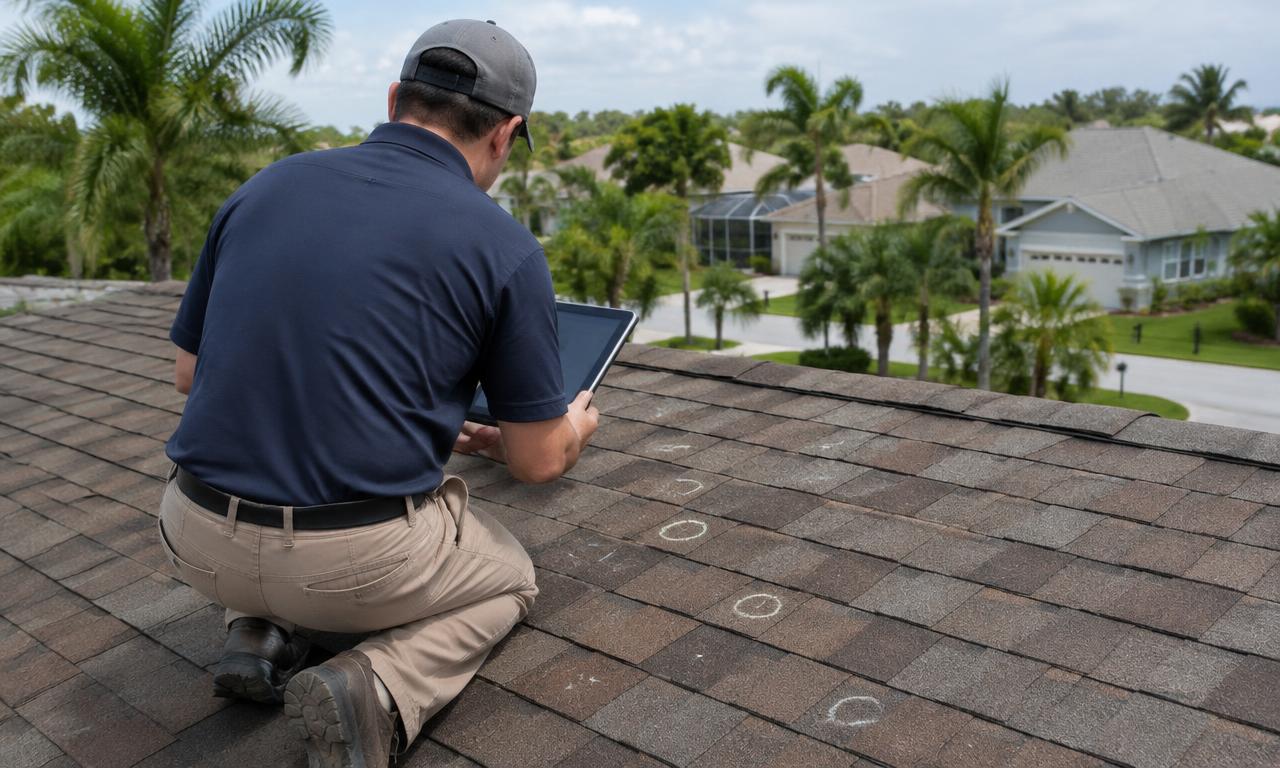
- Have a licensed roofer inspect and give a written report.
- Report the claim promptly and keep all correspondence.
Do not climb onto a roof yourself. Leave roof inspections to a licensed professional.
Florida Reporting Deadlines
Under Fla. Stat. § 627.70132, a new property claim must be reported within one year of the date of loss, and a supplemental claim within 18 months. Hail damage is sometimes discovered only when a leak appears later, so do not wait to have the roof inspected after a storm.
How Orellana Law Can Help
Claim Review
We review the inspection, estimate, and policy, including any cosmetic damage exclusion or roof schedule.
Evidence of Storm Damage
We look at weather data, photos, and roofer reports that tie the damage to the storm.
Repair Scope
We address whether the roof needs repair or replacement, including matching and code issues.
Negotiation and Litigation
If the insurer will not correct the payment, we discuss the next steps available to you.
Serving all of Florida
Hail Damage Claims Guidance in Miami-Dade County and Across Florida
Orellana Law has one office in Miami and serves clients with hail damage claims matters throughout Miami-Dade County and across the entire State of Florida. Wherever you are in the state, you can meet with the firm by phone or video. Contact the firm to discuss your situation.