
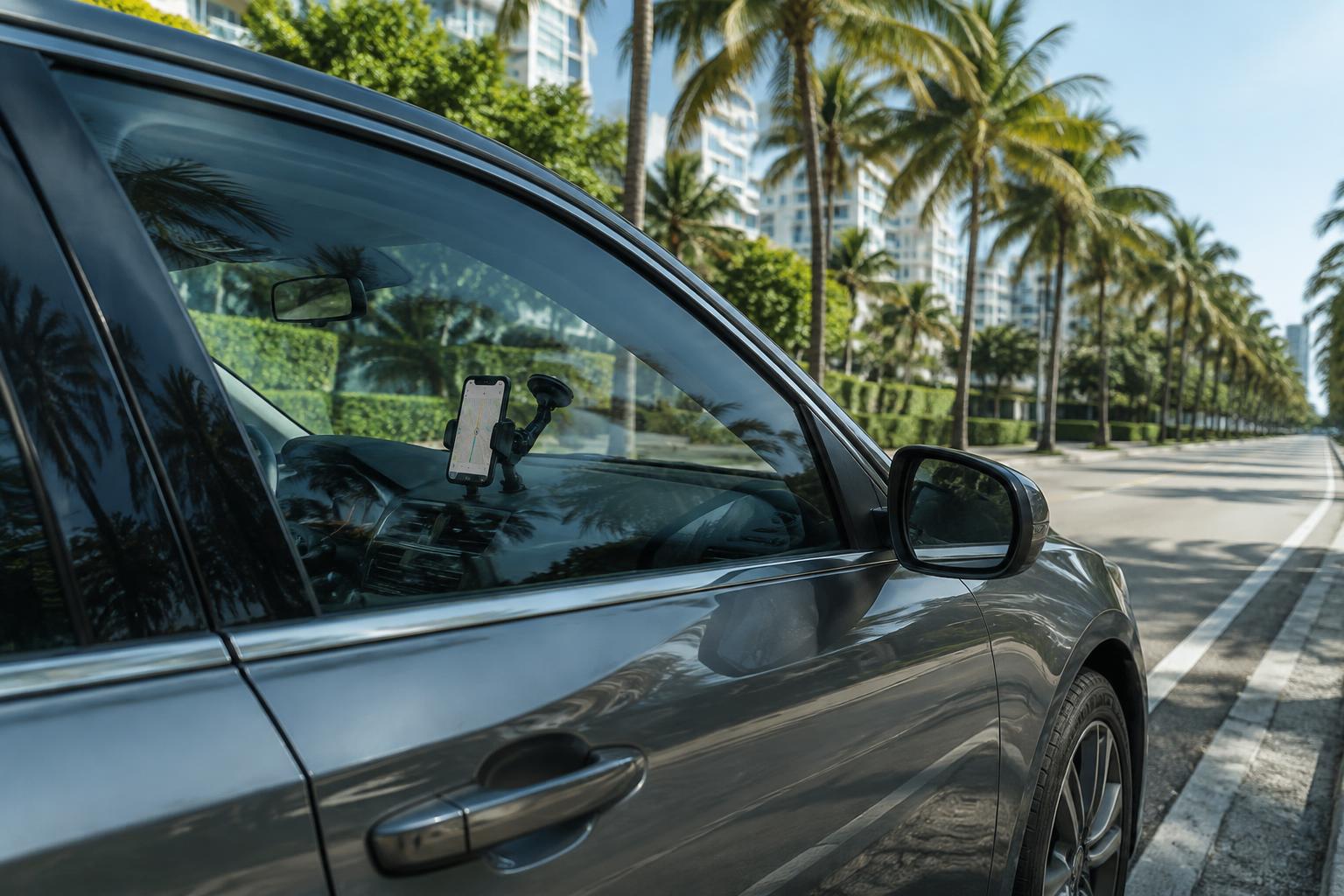
What to Do After an Uber or Lyft Accident in Florida
If you are involved in a rideshare accident as a passenger, driver, or another motorist, the first steps mirror those of any car accident: check for injuries, call for medical attention if needed, and notify law enforcement. Because rideshare crashes involve multiple potentially responsible parties, it also helps to note the app status shown on the driver's phone, since this can affect which insurance policy applies.
Take photos of the vehicles, the surrounding roadway, and any visible injuries. Get contact and insurance information from all drivers involved, along with the rideshare driver's app screen if possible. These details can matter later when determining which coverage tier applies to your situation.
How Uber and Lyft Insurance Coverage Works in Florida
Rideshare companies generally provide different levels of insurance depending on the driver's app status at the time of the crash. When the app is off, the driver's personal auto policy typically applies, similar to any uninsured motorist claim scenario if that driver lacks adequate coverage. When the app is on and the driver is waiting for a match, a limited contingent liability policy from the rideshare company may apply.
Coverage While a Passenger Is in the Vehicle
Once a passenger has been picked up and the trip is underway, rideshare companies typically provide a much higher level of liability coverage, along with uninsured/underinsured motorist protection in many cases. Understanding which of these tiers applies to your crash is central to identifying the available sources of recovery.
Who Can File a Claim After a Rideshare Crash?
- Rideshare passengers injured during a trip
- Drivers or passengers in another vehicle struck by a rideshare driver
- Pedestrians or cyclists hit by a rideshare vehicle
- The rideshare driver themselves, depending on fault and coverage
Because Florida applies comparative fault principles, more than one driver's negligence can be examined when determining how a claim should be resolved. A rideshare driver distracted by their phone or navigation app, for example, may share responsibility much like drivers in distracted driving accidents.
Common Causes of Rideshare Accidents
Rideshare drivers often navigate unfamiliar routes, glance at their phone for pickup and drop-off instructions, and make sudden stops at curbs or in traffic lanes to load and unload passengers. These habits can increase the risk of collisions, including rear-end impacts and side-swipe crashes near busy pickup zones.
- Distraction from the rideshare app or GPS navigation
- Sudden or illegal stops for pickups and drop-offs
- Driver fatigue during long shifts
- Unfamiliarity with Miami roadways and traffic patterns
How PIP and No-Fault Rules Apply to Rideshare Passengers
Florida's no-fault system generally means personal injury protection (PIP) coverage pays initial medical costs regardless of fault. For rideshare passengers, this can raise questions about whose PIP applies, the passenger's own policy, the driver's policy, or the rideshare company's commercial coverage. Sorting through this layered structure is one of the more technical aspects of a rideshare injury claim.
When injuries exceed what PIP covers, an injured person may need to pursue a claim against the at-fault party's liability coverage or the rideshare company's supplemental policy, similar to how claims proceed after other multi-vehicle accidents.
What If the Rideshare Driver Was Not Working at the Time?
If a driver caused a crash while the app was off entirely, the rideshare company's coverage typically does not apply, and the case proceeds more like a standard personal-injury matter against the driver's personal policy. This distinction is one reason documenting app status right after a crash is so valuable.
Steps for Pursuing a Rideshare Accident Claim
- Seek medical evaluation and follow through with recommended treatment
- Preserve evidence such as photos, the app receipt, and witness contact information
- Report the crash to the rideshare company through its in-app system
- Identify which insurance tier applies based on driver status
- Consult with our team before providing a recorded statement to any insurer
Because rideshare companies and their insurers often move quickly to gather statements, having guidance before you speak with an adjuster can help protect your position. Request a free consultation to discuss the details of your situation.
Frequently Asked Questions About Rideshare Accident Claims
Below are answers to common questions people ask after being involved in an Uber or Lyft accident in the Miami area.
How Rideshare Companies Screen and Train Drivers
Rideshare companies typically require background checks and vehicle inspections before approving drivers, but the level of ongoing monitoring after approval can vary. Understanding a company's screening practices can sometimes become relevant if a driver's history suggests a pattern of unsafe conduct.
Unlike traditional taxi services, rideshare drivers use their personal vehicles, which means maintenance standards may differ from one driver to another. Vehicle condition can occasionally play a role in a crash, particularly with issues like worn tires or faulty brakes.
Comparing Rideshare Accidents to Other Miami Car Accidents
In many respects, a rideshare accident is investigated the same way as any other collision, drawing on police reports, witness accounts, and physical evidence. What sets these cases apart is the layered insurance structure and the involvement of a corporate entity with its own claims process, similar in complexity to disputes that can arise after multi-vehicle accidents involving several insurers.
Because rideshare companies often have internal claims teams and outside counsel, it can be helpful to have someone reviewing the details of your case who understands how these companies typically respond to injury claims.
How Long Does a Rideshare Accident Claim Take in Florida?
The timeline for resolving a rideshare accident claim depends on the severity of the injuries, the number of insurers involved, and how quickly medical treatment is completed. Because rideshare crashes often involve the company's own insurer in addition to a driver's personal policy, claims can take longer to sort out than a straightforward two-vehicle collision such as a rear-end collision.
Claims involving only property damage or minor injuries may resolve within a few months once medical treatment concludes, while cases involving surgery, extended therapy, or disputes over which coverage tier applies can take considerably longer. Reaching maximum medical improvement before finalizing a claim is generally advisable so the full extent of injuries is reflected in any settlement discussion.
Mistakes to Avoid After an Uber or Lyft Accident
One common mistake is failing to document the driver's app status immediately after the crash, since this detail can determine which insurance tier applies. Another is giving a recorded statement to the rideshare company's insurer before understanding how the statement might be used, which can echo mistakes seen after other car accidents generally.
- Not reporting the crash through the rideshare app promptly
- Accepting an early settlement offer before injuries are fully evaluated
- Failing to preserve the trip receipt or screenshots of the app
- Delaying medical treatment, which can weaken the link between the crash and your injuries
How Comparative Fault May Affect a Rideshare Settlement
Florida's comparative fault rules can reduce compensation if a passenger, pedestrian, or other driver is found partly responsible for a rideshare crash. Because multiple insurers and drivers may be involved, allocating fault accurately is an important part of resolving these claims fairly, similar to the fault analysis used in distracted driving accident cases.
A thorough review of the crash, including app data, witness accounts, and the police report, can help ensure that any fault allocation proposed by a rideshare company's insurer reasonably reflects what actually happened.
Serving all of Florida
Rideshare Accidents Guidance in Miami-Dade County and Across Florida
Orellana Law has one office in Miami and serves clients with rideshare accidents matters throughout Miami-Dade County and across the entire State of Florida. Wherever you are in the state, you can meet with the firm by phone or video. Contact the firm to discuss your situation.