What Causes Head-On Collisions in Florida
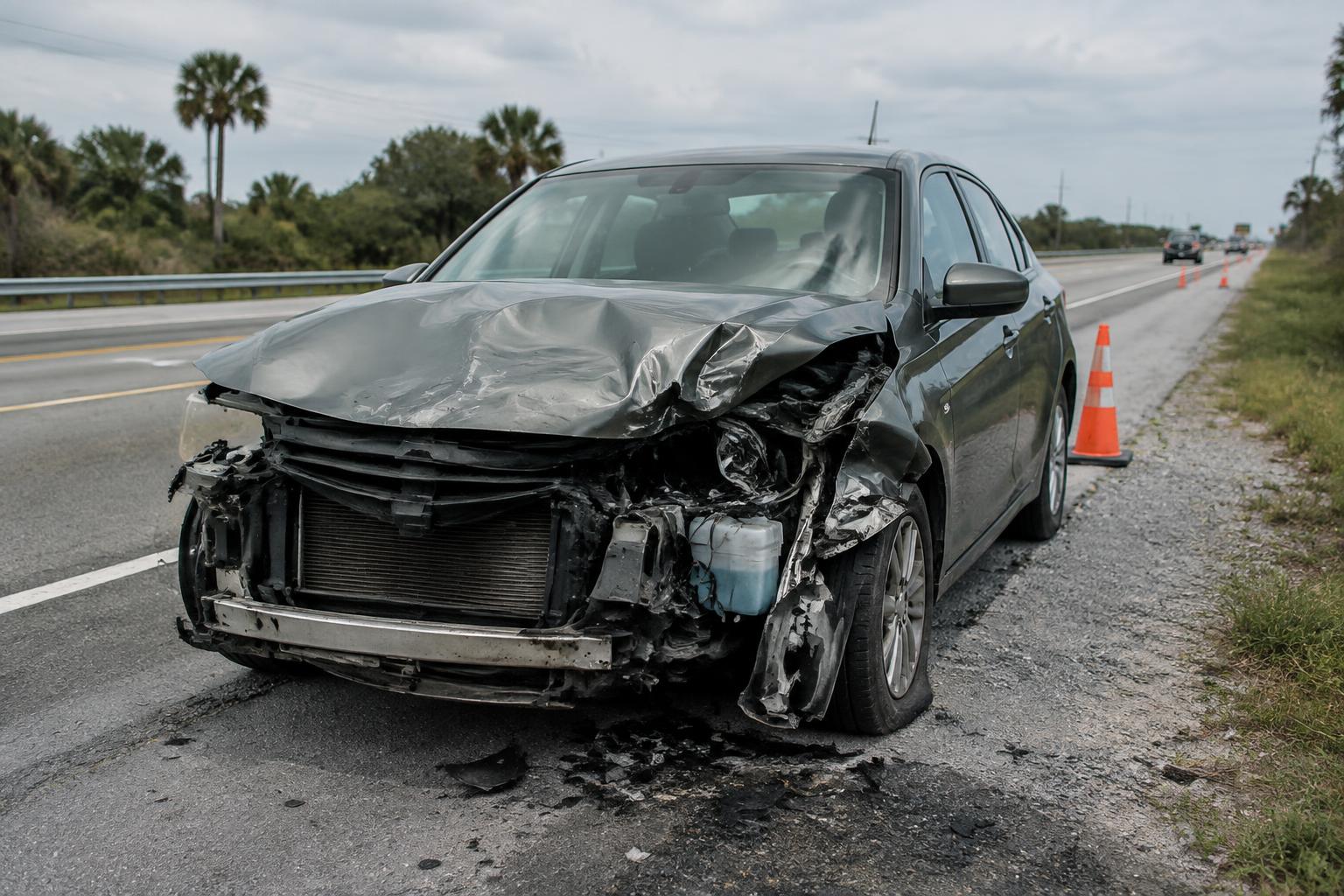
Head-on crashes frequently happen when a vehicle crosses into oncoming traffic, whether from distracted driving, impaired driving, drowsiness, improper passing on a two-lane road, or a driver traveling the wrong way on a highway ramp. Wet roads and poor visibility during Florida storms can also contribute to a driver losing control and crossing the center line.
Because these crashes often occur at higher combined speeds than other collision types, the resulting damage tends to be severe. Identifying exactly how and why the other vehicle crossed into your lane is often central to a head-on collision claim, particularly when the at-fault driver disputes what happened.
Common Injuries in Head-On Crashes
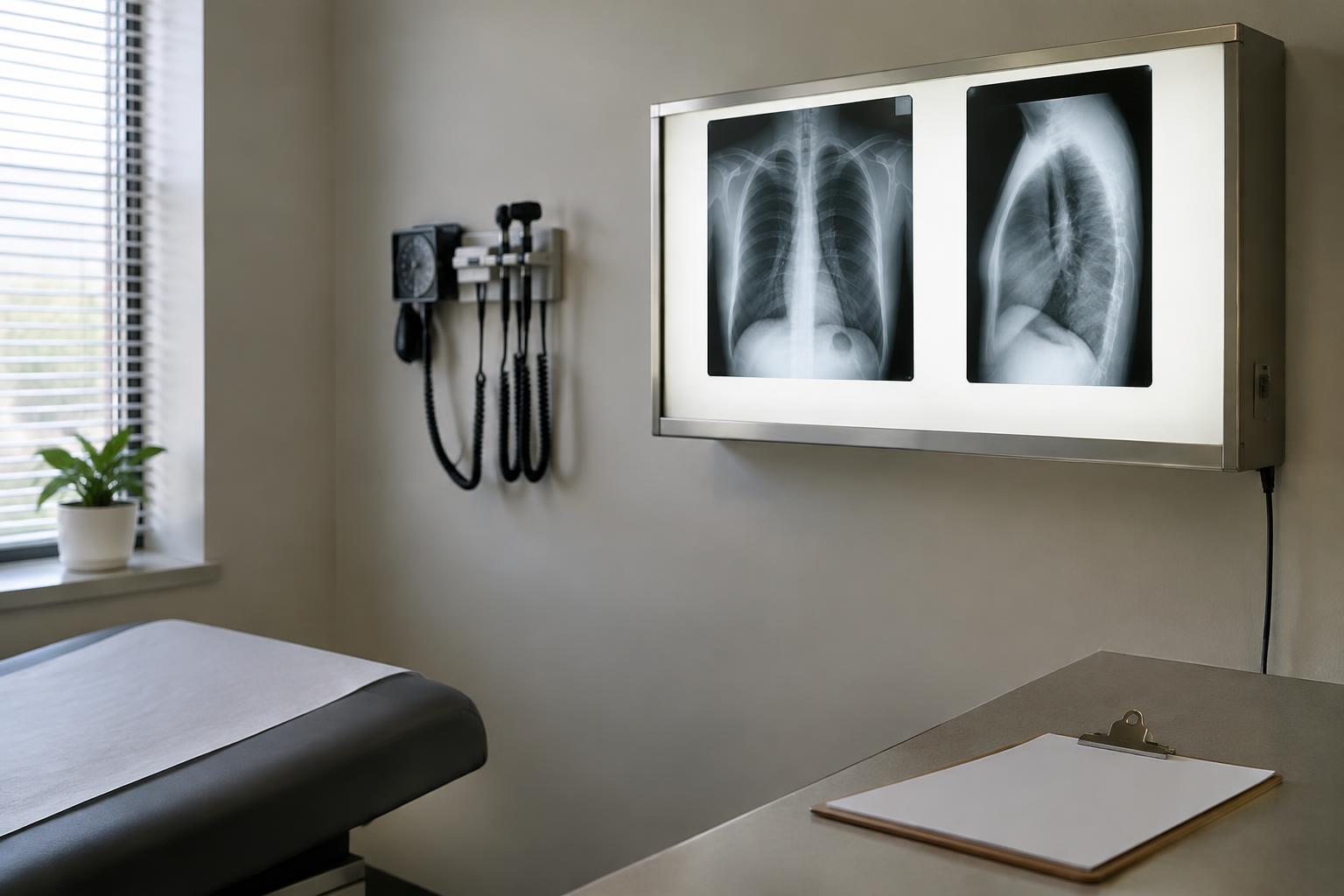
The forces involved in a head-on impact can cause injuries that are far more serious than those seen in many other types of collisions.
- Traumatic brain injuries and concussions
- Spinal cord injuries and paralysis
- Broken bones, especially in the legs and pelvis
- Internal organ damage and internal bleeding
- Severe lacerations from broken glass or metal
Some of these injuries may qualify as catastrophic injuries, requiring extensive treatment, rehabilitation, and long-term care. Documenting the full scope of medical needs early is important for understanding what a claim may need to cover.
How Florida's No-Fault System Applies to Head-On Accidents
As with other car accidents in Florida, PIP coverage typically applies first regardless of fault, covering a portion of medical bills and lost wages up to policy limits. Given the severity often associated with head-on collisions, however, PIP benefits are frequently exhausted quickly, leaving injured people to look toward the at-fault driver's liability coverage or their own uninsured/underinsured motorist (UM) coverage.
If your injuries meet the threshold Florida law requires to step outside the no-fault system, you may be able to pursue additional compensation directly from the driver who caused the crash.
Who Is Liable in a Head-On Collision?
Determining fault in a head-on crash often comes down to establishing who crossed into the wrong lane and why. Evidence such as skid marks, vehicle debris fields, dashcam footage, and witness accounts can help reconstruct how the collision occurred.
When Road Conditions or Defects Play a Role
In some cases, poor signage, faded lane markings, or roadway design issues may contribute to a driver drifting into oncoming traffic. These situations can require additional investigation beyond simply reviewing the two drivers involved, and a careful review of the scene can reveal contributing factors that aren't obvious from the police report alone.
Weather is another factor that can contribute to a driver losing control on a two-lane road, particularly during Florida's frequent afternoon storms. Hydroplaning, sudden downpours that limit visibility, and slick pavement can all play a role in a vehicle crossing the center line unexpectedly, and these conditions may be relevant to understanding how a crash unfolded even when the other driver's negligence is also a factor.
Passing zones on rural or two-lane Florida roads are a frequent site of head-on collisions, since a driver attempting to pass may misjudge the speed or distance of oncoming traffic. Distracted driving compounds this risk, as a driver who glances at a phone even briefly while passing may drift across the center line without realizing it until it's too late to correct course.
Insurance Challenges Unique to Head-On Accidents
Because head-on collisions frequently produce significant injuries and vehicle damage, insurers may scrutinize these claims closely, looking for ways to dispute fault or argue that a portion of your damages resulted from a pre-existing condition rather than the crash itself.
Understanding why insurance claims get delayed or undervalued can help you anticipate common insurer tactics and respond with the documentation needed to support your claim.
When the At-Fault Driver Has Limited Insurance
Given the severity of many head-on collisions, damages can quickly exceed the at-fault driver's liability limits, particularly if that driver carries only Florida's minimum required coverage. In these situations, your own UM coverage may become an important source of recovery.
Reviewing your policy for UM coverage, and understanding how it interacts with the at-fault driver's policy, is an important step covered in more detail on our uninsured motorist claims page.
Fatal Head-On Accidents and Wrongful Death Claims
Tragically, some head-on collisions result in a loved one's death. Florida law allows certain surviving family members to pursue a wrongful death claim in these circumstances, seeking accountability and compensation related to the loss.
If you have lost a family member in a head-on crash, our wrongful death page provides additional information, and our related page on fatal vehicle accidents discusses this topic in the context of car crashes specifically.
Head-on collisions are also sometimes caused by impaired driving. If evidence suggests the other driver was under the influence at the time of the crash, this can be an important factor in both the criminal proceedings and any civil claim that follows. Our page on drunk driving accidents discusses how these situations are generally approached.
Recovering from a head-on collision often involves an extended course of treatment, from emergency surgery and hospitalization to physical therapy and long-term rehabilitation. Keeping thorough records throughout this process, including bills, mileage to appointments, and notes about how your injuries affect daily life, can help support a more complete picture of your damages as your personal injury claim develops.
Steps to Protect Your Claim After a Head-On Collision
If you're able to do so safely, document the scene with photos, gather witness contact information, and ensure law enforcement responds to create an official report. Seek prompt and complete medical care, follow through with recommended treatment, and keep records of every appointment and expense.
Avoid giving a recorded statement to an insurance adjuster before understanding how it may affect your claim, and consider requesting a free consultation with our team to discuss your situation before making major decisions.
How Long Does a Head-On Collision Claim Take to Resolve?
Because head-on collisions often involve severe injuries, claims can take longer to resolve than those from lower-speed crashes. Extensive treatment, surgeries, and rehabilitation mean it can take months, or sometimes longer, before the full scope of a person's damages becomes clear. Settling too early, before reaching maximum medical improvement, risks accepting less than what ongoing or future care may actually cost.
Insurers handling catastrophic injury claims often request extensive medical records and may push back on the necessity of certain treatments. Patience paired with thorough documentation tends to support a more complete recovery than rushing toward a quick resolution.
What Evidence Helps Prove Fault in a Head-On Crash?
Because head-on collisions frequently come down to which driver crossed into the wrong lane, strong evidence is often central to resolving disputed liability. Police crash reports, statements from independent witnesses, and physical evidence such as skid marks and the final resting position of both vehicles can all help reconstruct the sequence of events.
- Dashcam or nearby surveillance footage
- Vehicle data recorder ('black box') information
- Photos of lane markings, debris fields, and road conditions
- Cell phone records where distraction is suspected
- Toxicology results where impairment is suspected
Gathering this evidence quickly matters, since skid marks fade and surveillance footage is often overwritten within days or weeks after a head-on collision.
Mistakes to Avoid After a Head-On Collision
Given the severity typically involved, it's easy to overlook steps that protect a future claim while dealing with emergency medical care. Avoid discussing fault with the other driver or their insurer before you understand the full picture, and be cautious about signing any medical authorization forms an adjuster sends without reviewing them first.
It's also a mistake to assume PIP alone will cover your losses; given how quickly PIP limits can be exhausted in a serious head-on crash, understanding your uninsured/underinsured motorist coverage and the at-fault driver's liability limits early on can help set realistic expectations for your case.
Serving all of Florida
Head-On Collisions Guidance in Miami-Dade County and Across Florida
Orellana Law has one office in Miami and serves clients with head-on collisions matters throughout Miami-Dade County and across the entire State of Florida. Wherever you are in the state, you can meet with the firm by phone or video. Contact the firm to discuss your situation.